3rd annual World Regional Anesthesia Day webinar
Equity, Access and Relief – Get the best out of Regional Anesthesia
Saturday January 31, 2026
10 AM ET
Duration: 90 minutes
Recording
The World Day of Regional Anesthesia and Pain Medicine (WDRAPM) is an annual global observance dedicated to raising awareness about the vital role of regional anesthesia and pain medicine in improving patient care. The day highlights the importance of safe, effective, and evidence-based pain management, promotes multidisciplinary collaboration, and celebrates advances in techniques such as ultrasound-guided regional anesthesia. It brings together anesthesiologists, trainees, nurses, researchers, and allied health professionals to share knowledge, advocate for patient-centered approaches, and strengthen education in acute and chronic pain management.
This event is an Accredited Group Learning Activity (Section 1) as defined by the Maintenance of Certification program of The Royal College of Physicians and Surgeons of Canada and approved by the Canadian Anesthesiologists' Society. You may claim a maximum of 1.5 hours (credits are automatically calculated).
After participating in this activity, participants will be able to:
- Discuss how opioid use can be reduced in the perioperative period
- Formulate their own environmentally sustainable regional anesthetic approach
- Describe the benefits and risks of combining perineural adjuncts.
 Moderator: Dr Peter Rose
Vancouver General Hospital, Vancouver
Dr Peter Rose is a staff anesthesiologist at Vancouver General Hospital after having completed Anesthesiology residency training at the University of British Columbia and a fellowship in Regional Anesthesia and Acute Pain at the University of Ottawa. At Vancouver General Hospital he is a co-director of the Perioperative Pain Service, leads the Airway and Major Head and Neck Surgery Anesthesia division and is a member of the Regional Anesthesia division. He has a particular interest in teaching and continually learning about regional anesthesia and airway management.
 Presenter: Dr Ahtsham Niazi
Sunnybrook Health Sciences Center, Toronto
Dr Ahtsham Niazi finished his medical education in Pakistan and has completed his training in Anesthesia in the Republic of Ireland. He has done a Fellowship in Liver Transplant Surgery in Dublin, Ireland and a Fellowship in Regional Anesthesia and Acute Pain in Toronto, Canada. He is currently a Staff Anesthetist at Sunnybrook Health Sciences Centre and an Associate Professor at the Department of Anesthesia and Pain Medicine at the University of Toronto. He is currently the Vice Chair of Education and a clinician educator at the University of Toronto.
Talk title: Strategies to Reduce Opioid Use in the Perioperative Period
After participating in this activity, participants will be able to:
- Explain why patient education is important for opioid reduction
- Explain how regional anesthesia can reduce perioperative opioid use
- Choose what adjuncts can be used to reduce perioperative opioid use
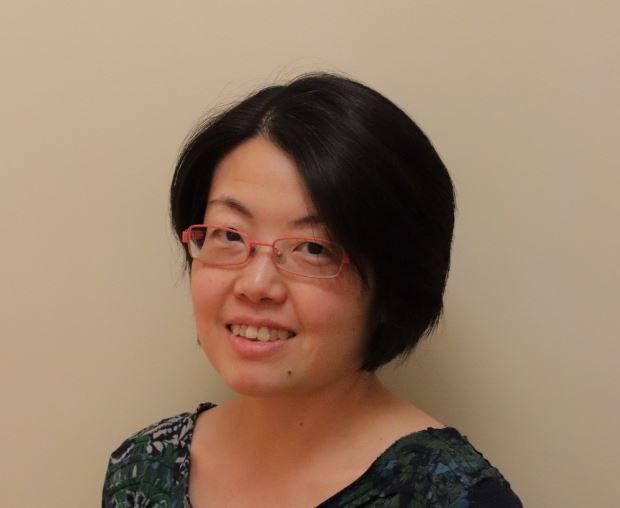 Presenter: Dr Vivian Ip
University of Calgary, Calgary
Dr Vivian Ip is a Clinical Professor at the University of Calgary in Canada. She is a practicing anesthesiologist with fellowships in Regional Anesthesia and Acute Pain Medicine, as well as Ambulatory anesthesia. She recently moved to Calgary from Edmonton and is working at the South Health Campus where she is the Director of the Regional Anesthesia Fellowship Program. She is the Chair of the American Society Regional Anesthesia (ASRA) and Pain Medicine newsletter committee, and the Chair of the Regional Anesthesia Section of the CAS. Her other leadership roles include being the Past Chair of the CAS Environmental Sustainability Section, and the Chair of the Green Anesthesia Special Interest Group at ASRA Pain Medicine. She is also the Editor for RAPM (Regional Anesthesia and Pain Medicine), and an Editorial Board member of CJA (Canadian Journal of Anesthesia).
 Presenter: Dr Joanna Fifen
University of Calgary
Dr Joanna Fifen works at the South Health Campus (SHC) as a Staff Anesthesiologist in Calgary, AB. Dr Fifen is a Clinical Assistant Professor in the Cumming School of Medicine, University of Calgary. She serves as the SHC Site Research Lead and is a committee member for the Regional Anesthesia and Acute Pain Medicine Fellowship. Dr Fifen is passionate about providing quality care to patients and enjoys teaching various stages of learners that rotate through the SHC. Dr Fifen completed her BSc in Biological Sciences with Distinction, PhD in Medical Sciences, and MD prior to her anesthesia career. She has published nineteen peer-reviewed publications and two book chapters and has received numerous research awards. She was born and raised in Calgary and has enjoyed the opportunities Calgary and Alberta have to offer. Personal interests and hobbies include swimming, reading, writing, photography, painting, cooking, gardening and travelling.
Talk title: How Can Regional Anesthesia be Environmentally Sustainable?
After participating in this activity, participants will be able to:
- Discuss the inter-relationship between healthcare and climate crisis
- Describe environmentally responsible resource use in regional anesthesia that also balance patient safety
- Formulate their own environmentally sustainable regional anesthetic approach
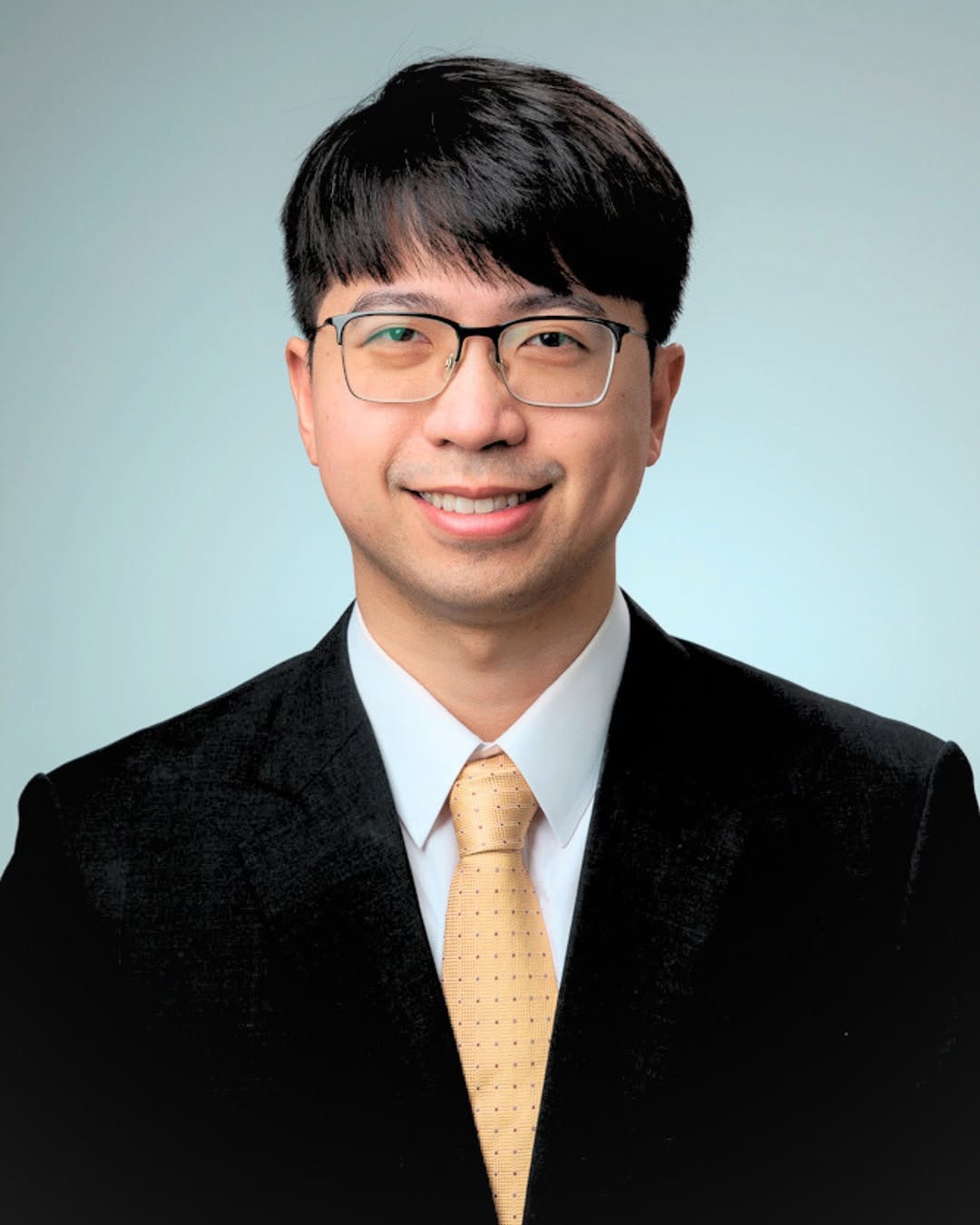 Presenter: Dr Tim Jen
St Paul’s Hospital, Vancouver
Dr Tim Jen is a Clinical Assistant Professor at the University of British Columbia with research focused areas in rebound pain after regional anesthesia, chronic postoperative pain, and regional anesthesia for cardiac surgery. He works as a staff anesthesiologist at St. Paul’s Hospital, Vancouver and has completed the Master of Health Science at the University of British Columbia. He was the recipient of the 2023 Canadian Anesthesiologists’ Society Dr. James Beckstead Award for his randomized controlled trial examining the effect of parasternal intercostal plane catheters for sternal pain reduction after cardiac surgery, and he serves as Membership Engagement in the CAS Regional and Acute Pain Section.
Talk title: Combining Perineural Adjuvants in Regional Anesthesia — What is the Best?
After participating in this activity, participants will be able to:
- Identify safety issues related to the use of perineural adjuncts, including neurotoxicity, precipitation, and systemic side effects
- Describe the benefits and risks of combining perineural adjuncts
- Explore clinical applications of combining perineural adjuncts and their comparisons with alternatives such as catheters or liposomal bupivacaine.