2026 CAS Pinnacle Rounds: Celebrating National Anesthesia Education
Our member-exclusive education program – CAS Pinnacle Rounds: Celebrating National Anesthesia Education continues in 2026, featuring new anesthesia teaching rounds from the country, submitted by Canadian universities. As a CAS member, you have access to new ideas and perspectives covering a diversity of topics to help enhance your knowledge.
The CAS Pinnacle Rounds is a self-approved group learning activity (Section 1) as defined by the Maintenance of Certification Program of the Royal College of Physicians and Surgeons of Canada. Each round is eligible for 1 hour of Section 1 credit.
Note - Your CAS Membership must be in good standing for the event date in order to access the member discount. You will be able to register as soon as you receive the renewal confirmation. Click here to renew.
Click on each event below for details on the upcoming rounds. All events are listed chronologically. For information on our past rounds, please check the events archive page.
Peri-Operative Anaphylaxis
November 4, 2026
8 pm ET
Register Now
Perioperative anaphylaxis is a rare but life-threatening event that anesthesiologists must recognize and manage rapidly, often without classic allergic signs. This talk provides a practical, anesthesia-focused approach to intraoperative recognition and up to date recommendations on immediate management. It also emphasizes post-event investigation and the importance of close collaboration with allergists in a multidisciplinary model to accurately identify triggers, prevent recurrence, and improve long-term patient safety.
Upon completion of this session, participants should be able to:
-
Discuss the pathophysiology of anaphylaxis
-
Review treatment of intraoperative anaphylaxis & postoperative work up
-
Review the most common culprits of anaphylaxis in the OR and explore local patterns of sensitization.
-
Develop a practical approach to manage patients with anesthetic allergies.
Moderator: Dr. Christopher Pysyck
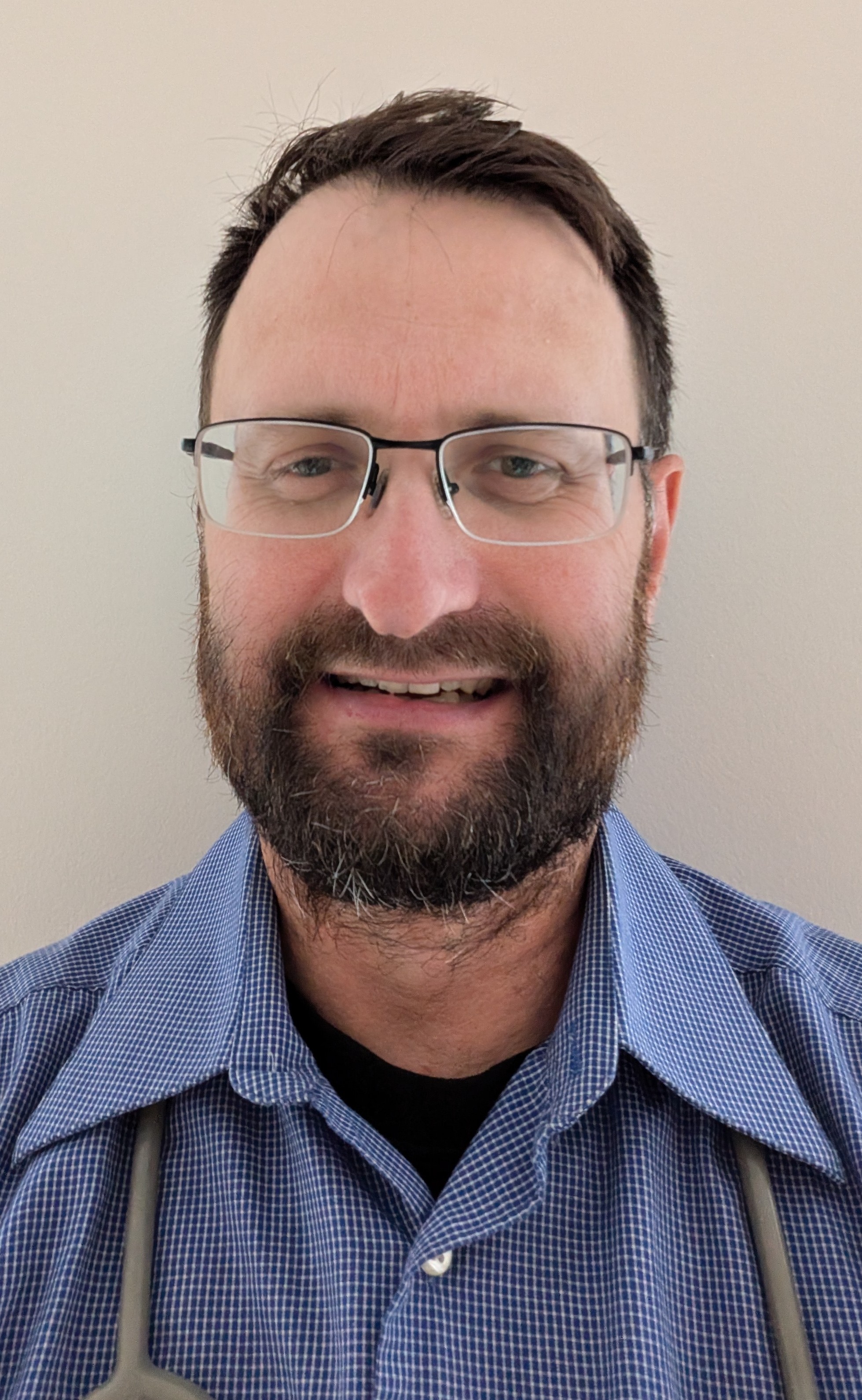 Dr. Christopher Pysyk is a staff anesthesiologist at The Ottawa Hospital and Assistant Professor at the University of Ottawa. He completed his medical school at the University of Alberta, his residency at the University of Ottawa, and a fellowship in Quality and Patient Safety (QPS) at the University of Calgary. He then returned to Ottawa where his clinical and academic focus relates to quality improvement and patient safety in perioperative care. As the leader of his department’s QPS Committee for over 15 years, he has directed multiple initiatives to improve equipment and medication safety, perioperative anticoagulant management, opioid stewardship, annual clinician feedback of practice processes and outcomes, and has extensive experience in incident report review to identify risks and drive system-level practice change.
Presenter: Dr. Julena Foglia
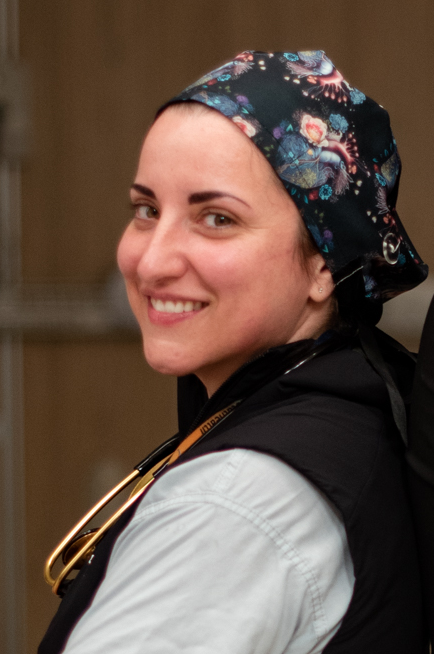 Dr. Foglia is a Clinical Assistant Professor with the University of British Columbia and practices Cardiac Anesthesiology at Vancouver General Hospital. She completed medical school at the University of Calgary before relocating to Vancouver for her residency training. She continued her training in Cardiac Anesthesia with the University of British Columbia before returning to Vancouver General Hospital on staff. Anaphylaxis during the perioperative period is a unique interest she developed during residency and is now Co-Director of the Perioperative Anaphylaxis Clinic (POAC).
Presenter: Juan Camillo Ruiz
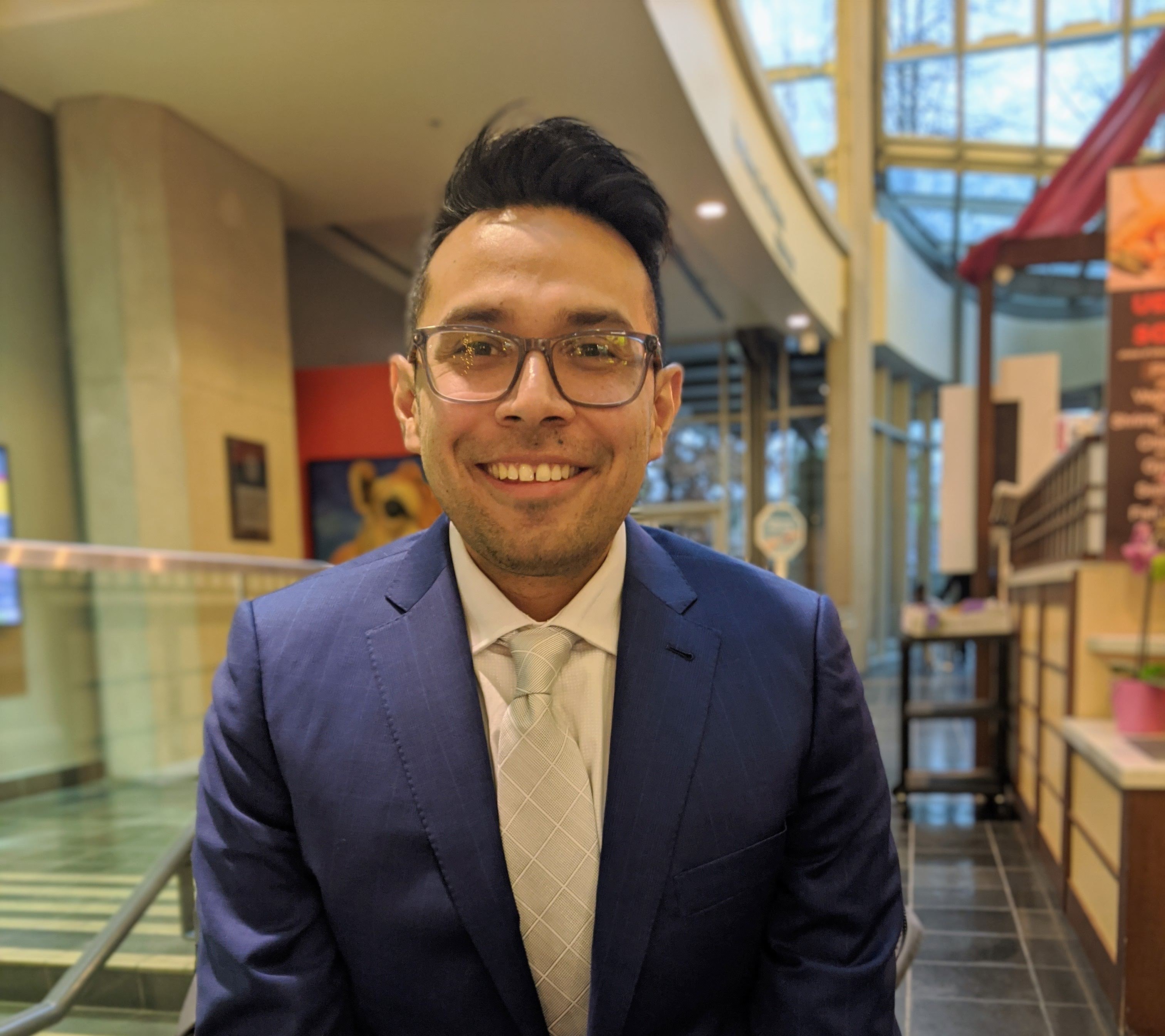 Dr. Juan Camilo Ruiz is an Allergist and Clinical Immunologist who completed his specialty training at the University of British Columbia. He is the co-director of the Peri-Operative Anaphylaxis Clinic (POAC) at Vancouver General Hospital, Canada’s first multidisciplinary clinic jointly led by Allergy and Anesthesiology. Established in 2018, POAC has evaluated over 400 patients with suspected perioperative anaphylaxis. Dr. Ruiz is also the founder of the Canadian Perioperative Anaphylaxis Registry (CPAR), a national database aimed at studying the incidence, triggers, and management of perioperative anaphylaxis across Canada.